
Neuroscience
What You'll Learn
In our Bachelor of Science in Neuroscience program, students build a strong foundation in the biological sciences—through courses in vertebrate physiology, neurobiology, genetics, and biochemistry—while also honing advanced analytical skills in statistics, data analysis, and computer programming (Python and R). They explore how chemistry underlies neural function in medicinal chemistry, examine the philosophical dimensions of consciousness and cognition in philosophy of mind, and connect these ideas to real-world applications through classes in physiological psychology and biopsychology. Along the way, they learn to design and conduct experiments, interpret data rigorously, and critically evaluate new research findings, gaining both the theoretical knowledge and hands-on experience needed to excel in neuroscience and related fields. From understanding the neural underpinnings of behavior and disease to applying cutting-edge methodologies in a variety of settings, students graduate well-prepared for competitive graduate programs, medical and professional schools, or direct entry into STEM careers.
In addition to classroom experiences focused on building expertise, critical thinking, and communication skills, our students can earn academic credit by collaborating with faculty from associated departments on research projects to gain invaluable hands-on experience. Many of our students have presented their research findings at scientific conferences nationwide and have even co-authored articles with faculty and graduate student colleagues in leading scientific journals.
Requirements for B.S.
- 40 credit hours in university requirements
- 40 credit hours in the major requirements
- 18 credit hours in electives courses
Student Learning Outcomes
Student Learning Outcomes specify what students will know, be able to do, or be able to demonstrate when they have completed a program of study.
Sample Courses
Introduction to Neuroscience Vertebrate Physiology Neurobiology Genetics Biochemistry Medicinal Chemistry | Analysis of Variance & Experimental Design Data Analysis in Psychology Drugs and Behavior Foundations of Biopsychology Physiological Psychology
|
What Can You Do with A Bachelor's Degree in Neuroscience?
Neuroscience graduates are uniquely positioned for a range of career paths, especially those related to medicine and allied health. Many students choose to continue their education in medical school, with some pursuing neurology, psychiatry, neurosurgery, or other specialties that delve deeper into the nervous system and its disorders. Others take advantage of their strong scientific foundation to engage in biomedical research, often collaborating on cutting-edge studies aimed at improving patient care or advancing the treatment of neurological and psychiatric conditions. Beyond clinical medicine and research, graduates can also find fulfilling roles in public health, allied health, biotechnology, biomedical engineering, pharmaceutical discovery and development, computational modelling, neuromarketing, education, and healthcare policy—fields where specialized knowledge of the brain and nervous system can inform and transform medical practice and innovation.
bachelor of science in neuroscience
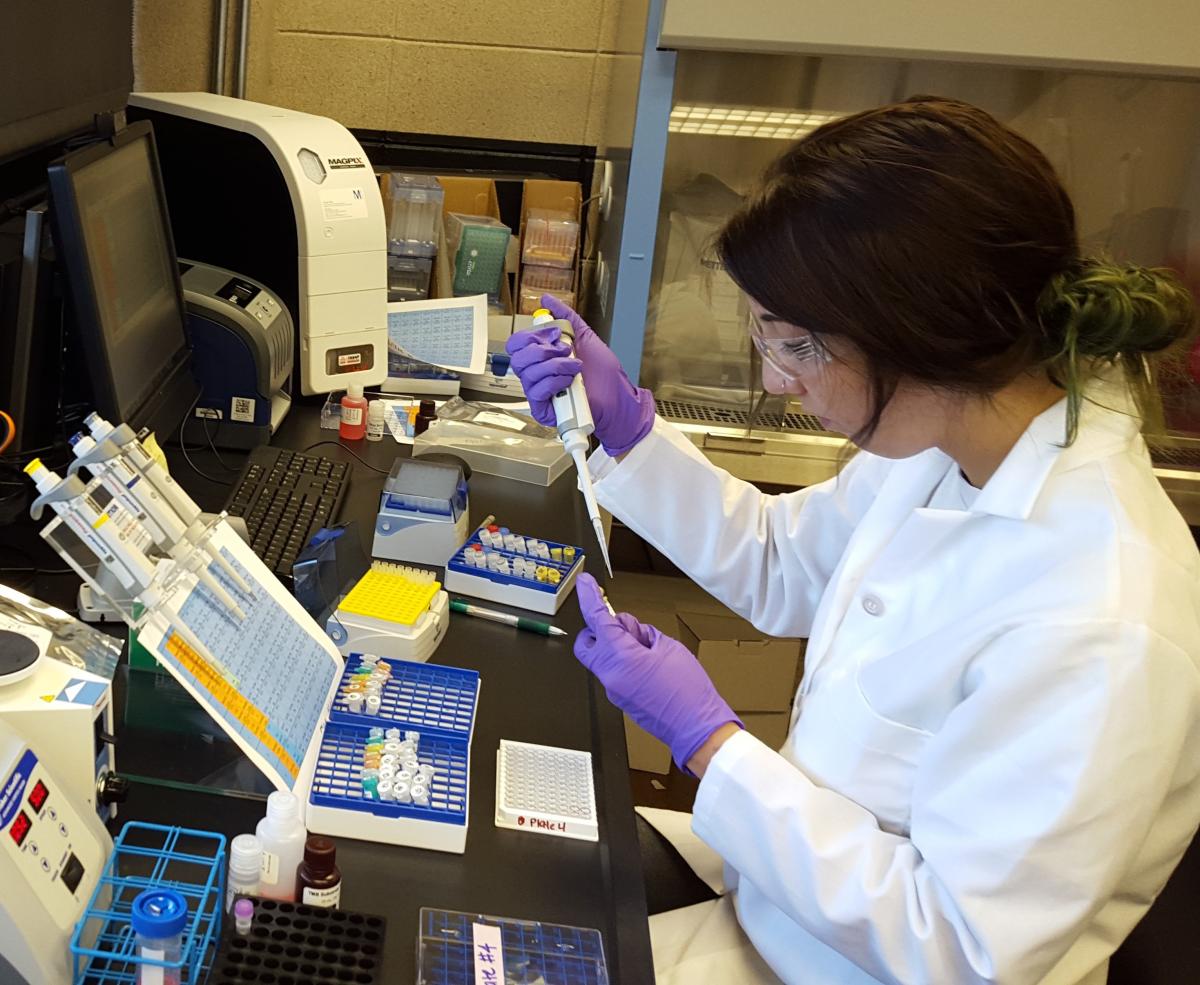
Neuroscience is a dynamic, interdisciplinary field that examines how the brain and nervous system shape behavior, cognition, emotion, and mental illness. Drawing on advances in psychology, biology, chemistry, physics, and computer science, our Bachelor of Science in Neuroscience provides a rigorous curriculum exploring everything from cellular and molecular mechanisms to higher systems-level cognitive and behavioral processes. Students gain a strong foundation in courses in anatomy, molecular neuroscience, cognitive neuroscience, biochemistry, pharmacology, coding, philosophy, and research methods, while also having the opportunity to work directly with faculty on cutting-edge laboratory and community-based projects. This hands-on research experience not only strengthens students’ critical thinking and analytical skills but often leads to conference presentations and co-authored publications. Graduates of this program are well prepared for advanced study in areas such as medicine and allied health fields, biomedical research, and psychology, as well as for diverse careers in healthcare, biotechnology, pharmaceuticals, and related industries. By blending fundamental scientific principles with innovative research opportunities, the BS in Neuroscience equips students to excel in a rapidly growing field that sits at the forefront of understanding human health and behavior.